
World War II Command Centre Brisbane
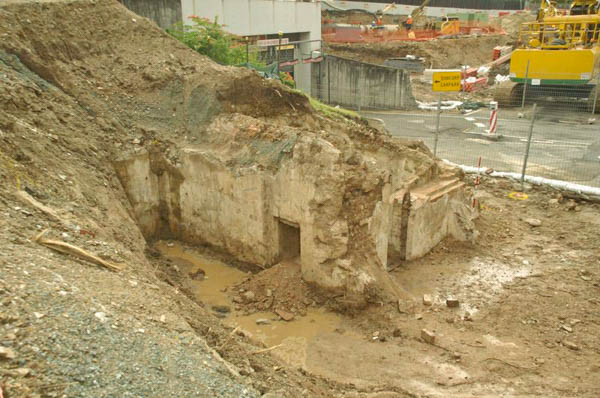
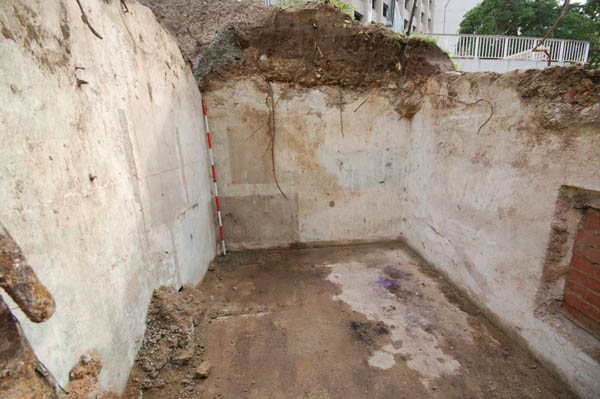
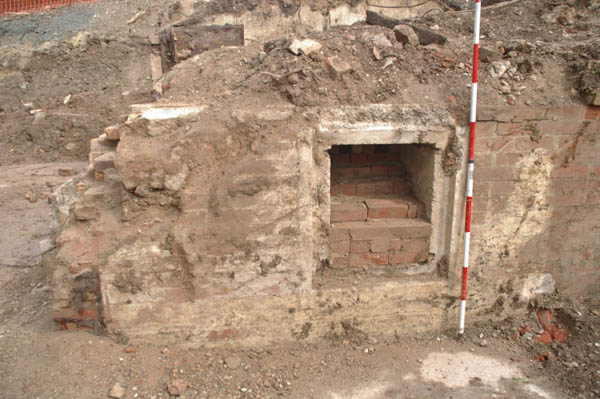
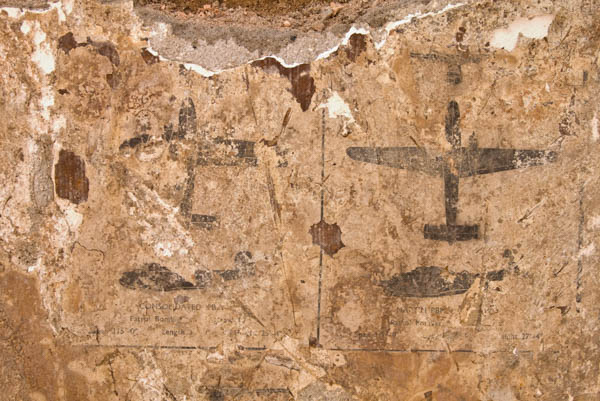
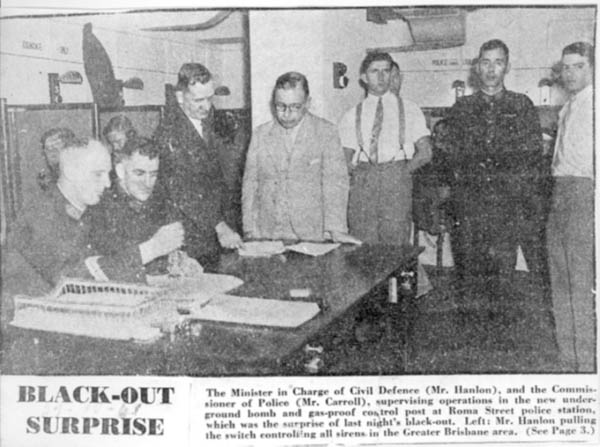
During the construction of the Inner Northern Busway though the centre of the Brisbane CBD in 2007 an unexpected discovery was made of the World War II Control Centre built by the Queensland government.
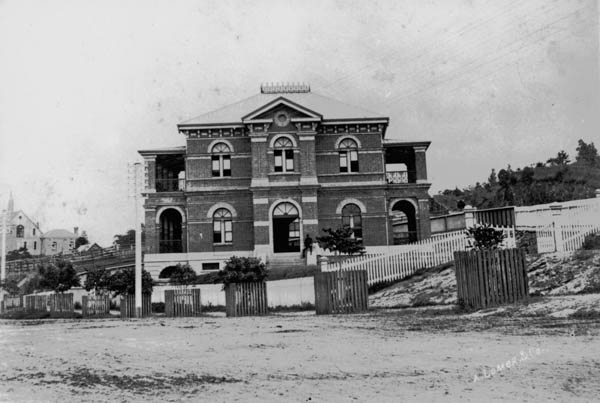
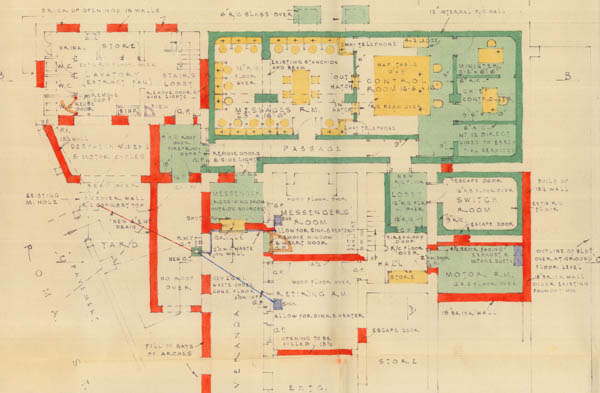
It was located in the basement of the Roma Street Police Station . The Department of Works prepared plans for the adaptation of the basement. The work comprised the construction within the existing walls of the basement of a reinforced concrete ‘stronghold capable of resisting blast, gas and fire and strong enough to carry any debris loads occasioned by the collapse of the building over’.
The main section of the control centre comprised a message room, control room, Minister’s office, Chief Controller’s office, switch room and motor room. Mechanical ventilation was installed as well and an emergency power supply. The control centre was designed to enable the organisation of civil defence to continue even in the event of the building being bombed or damaged.
The completion of the Control Centre in December 1941 could not have been more opportune. The escalation of the war with the Japanese bombing of US bases on 7 December 1941 and the entry of the United States into the war dramatically altered the nature of the conflict. The Pacific became a major theatre of war and threats to Australia appeared even more likely, necessitating even greater organisation and development of civil defence operations throughout the state.
The Control Centre was most active during 1942 when the potential of a Japanese invasion appeared imminent. As the war in the Pacific progressed and the Allied forces repelled the Japanese advance, the need for organising and maintaining civil defence abated.
After the war, most of the fittings and equipment associated with the Control Centre were removed from the buildings. The concrete reinforced walls and floors, however, were too difficult to remove and remained in situ.
The Roma Street Police Station was demolished in 1968 as part of the works associated with the Turbot Street flyover and to provide access to a car park in the SGIO building. The site of the former police station was landscaped with brick paving and lawn. A gas regulator pit was later constructed in the area. The access road to the SGIO car-park also traversed part of the site of the police station.
The archaeological investigations were undertaken in October 2007.